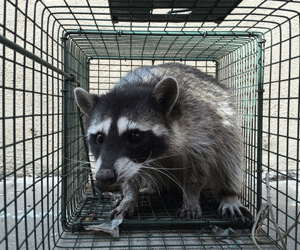
Raccoon-Proofing Your Property: Prevention Tips for Burlington and Oakville Homeowners
Raccoons have become a common sight in many residential neighborhoods across Burlington and Oakville. Their adaptability, intelligence, and ability to thrive in urban environments make them one of the most persistent wildlife challenges for homeowners. While these animals may appear harmless from a distance, they can cause extensive property damage, create health risks, and become difficult to remove once they establish a nesting area.
For homeowners, prevention is always more effective and less costly than dealing with a full infestation. Taking proactive steps to make your property less attractive to raccoons can help protect your home, family, and outdoor spaces throughout the year.
Why Raccoons Are Attracted to Residential Properties
Raccoons are constantly searching for three essential resources: food, water, and shelter. Residential neighborhoods often provide all three in abundance.
Garbage bins, pet food, bird feeders, compost piles, and fruit-bearing trees offer easy access to food. Decks, sheds, attics, chimneys, and crawl spaces provide safe shelter from predators and harsh weather conditions. Once raccoons identify a reliable source of food and shelter, they are likely to return repeatedly.
Understanding what attracts raccoons is the first step toward effective prevention.
Secure Garbage and Food Sources
One of the most effective ways to discourage raccoons is by eliminating easy food opportunities. Raccoons possess remarkable dexterity and can open loosely secured garbage containers with ease.
Homeowners should use sturdy garbage bins with locking lids whenever possible. Waste containers should be stored in garages or enclosed areas until collection day. If outdoor storage is necessary, securing lids with straps or wildlife-resistant locks can significantly reduce access.
Pet food should never be left outdoors overnight. Bird feeders should also be monitored carefully, as spilled seeds often attract raccoons and other nuisance wildlife. Cleaning feeding areas regularly can help minimize food availability.
Protect Your Roof and Attic
Attics are among the most desirable nesting locations for raccoons. Warm, dry, and protected from predators, they provide an ideal environment for raising young.
Regular roof inspections can help identify vulnerabilities before raccoons exploit them. Homeowners should check for damaged shingles, loose soffits, broken vents, and gaps around rooflines. Even small openings can become entry points when determined raccoons begin pulling at weakened materials.
Tree branches that extend close to the roof should be trimmed back. Raccoons are excellent climbers and frequently use overhanging branches as pathways to rooftops.
Reinforce Chimneys and Roof Vents
Unprotected chimneys often attract raccoons seeking secure denning locations. Female raccoons frequently choose chimneys for nesting because they resemble hollow tree cavities found in natural habitats.
Installing professionally fitted chimney caps can prevent access while maintaining proper ventilation. Roof vents should also be covered with durable wildlife-resistant screening designed to withstand tampering and weather exposure.
These simple improvements can eliminate some of the most common entry points used by raccoons.
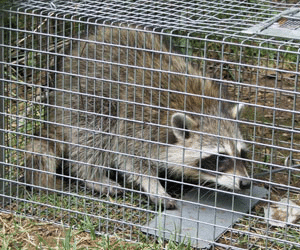
Maintain Your Yard and Landscaping
Overgrown vegetation can create hiding places and travel routes for wildlife. Keeping your property well maintained reduces opportunities for raccoons to remain undetected.
Regular pruning of shrubs, bushes, and trees improves visibility and limits access to structures. Fallen fruit should be removed promptly from lawns and garden areas. Compost bins should be securely covered to prevent animals from scavenging food scraps.
Maintaining a clean and organized yard not only improves curb appeal but also helps reduce wildlife activity around the home.
Secure Sheds, Decks, and Crawl Spaces
Many homeowners focus on attics while overlooking ground-level shelter opportunities. Raccoons frequently establish dens beneath decks, porches, sheds, and crawl spaces.
Inspect these areas regularly for signs of digging, nesting materials, or animal activity. Openings should be sealed using durable materials that resist chewing and scratching. Barriers should extend below ground level where appropriate to prevent animals from digging underneath structures.
Addressing these vulnerable areas can significantly reduce the likelihood of raccoon occupancy.
Eliminate Water Sources
Water availability can make a property more attractive to wildlife. Bird baths, decorative ponds, clogged gutters, and standing water provide convenient drinking sources for raccoons.
Regularly cleaning gutters, repairing leaks, and managing drainage issues can help reduce water accumulation.
Homeowners with ponds may benefit from additional protective measures depending on local wildlife activity.
Reducing accessible water sources complements other prevention efforts and makes the property less inviting overall.
Watch for Early Warning Signs
Detecting raccoon activity early can prevent minor issues from becoming major infestations. Common warning signs include unusual noises in walls or attics, overturned garbage containers, damaged soffits, footprints, and droppings around the property.
Homeowners should investigate these signs promptly. Delaying action can allow raccoons to establish nests and cause more extensive structural damage over time.
Routine inspections can help identify problems before they escalate.
The Importance of Professional Wildlife Prevention
While many preventative measures can be implemented by homeowners, some situations require professional expertise. Properties with recurring raccoon activity often have hidden vulnerabilities that are difficult to identify without specialized experience.
Professional wildlife control services can assess the entire property, locate potential entry points, and recommend long-term exclusion strategies. Comprehensive prevention programs provide greater protection than temporary solutions and help ensure that raccoons do not return.
At KD Pest Control, we help Burlington and Oakville homeowners safeguard their properties through effective wildlife prevention and exclusion services. Our team understands the behaviors and habits of local raccoon populations and develops customized solutions designed to protect homes year-round.
Raccoons are resourceful animals that can quickly turn a small vulnerability into a significant problem. By securing food sources, protecting entry points, maintaining landscaping, and monitoring for signs of activity, homeowners can dramatically reduce the risk of raccoon infestations.
Preventative action is the most effective approach to wildlife management. Investing time in raccoon-proofing your property today can save considerable stress, repair costs, and disruption in the future. KD Pest Control works with homeowners throughout Burlington and Oakville to create safer, more secure properties that remain protected against unwanted wildlife activity.